How to Achieve Peaceful Spaces With Effective Soundproofing
Creating a quiet home or office space can be a challenge, especially in busy areas. One effective way to reduce noise is through soundproofing interior walls. This method not only helps in minimizing external disturbances but also enhances privacy within your space. In this guide, you will learn about the benefits, challenges, solutions, and best practices of soundproofing using insulation. By understanding these key aspects, you can make informed decisions that improve your environment.
The Benefits of Soundproofing Walls
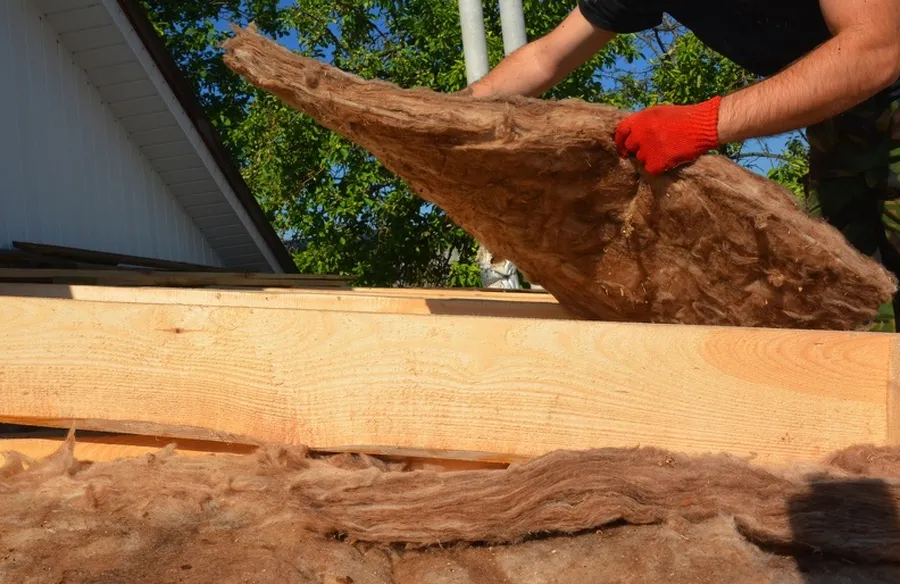
Soundproofing your interior walls has several advantages. Firstly, it reduces noise pollution from outside sources, such as traffic or construction. Secondly, it prevents sound from traveling between rooms, enhancing privacy. Lastly, it can increase property value by offering a quieter living experience. All these benefits contribute to a more peaceful and enjoyable atmosphere at home or work.
Common Challenges in Soundproofing
While the idea of soundproofing is appealing, there are challenges involved. One major issue is selecting the right materials. Not all insulation types effectively block sound. Another challenge is improper installation, which can lead to gaps that allow noise leakage. Finally, budget constraints often limit the extent and quality of soundproofing efforts. Understanding these challenges helps in planning a successful project.
Effective Insulation Installation Techniques
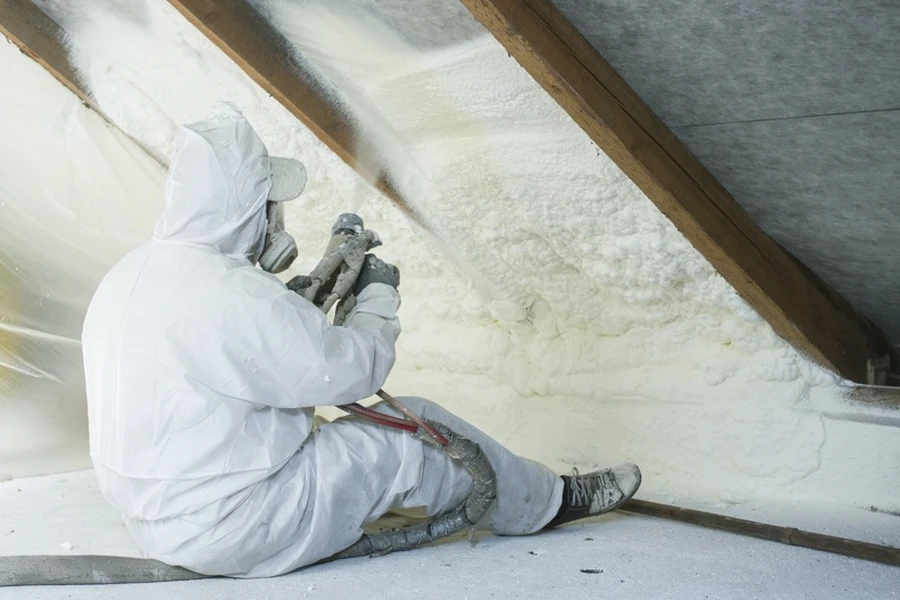
Choosing the right techniques for insulation installation is crucial for success. Using dense materials like mineral wool or fiberglass can significantly block noise transmission. It’s important to ensure that the insulation fits snugly without leaving any gaps. Proper sealing around edges and joints further enhances soundproof capabilities. These methods form the foundation of an effective soundproofing strategy.
Materials Recommended for Soundproofing
Several materials are recommended when considering insulation installation for soundproofing interior walls. Popular choices include:
- Mineral Wool: Known for its density and fire resistance.
- Fiberglass: Offers good sound absorption and is cost-effective.
- Soundproof Drywall: Combines gypsum with other materials for added mass.
Each material has unique properties that cater to different needs and budgets.
Best Practices for Successful Soundproofing
Following best practices ensures high-quality results. First, always measure and cut insulation precisely to avoid gaps. Second, seal every edge and joint with acoustic caulk to prevent noise leaks. Third, consider double-layered drywall for additional mass and sound absorption. Incorporating these tips into your plan increases effectiveness and satisfaction.
Industry Standards and Regulations
When undertaking insulation installation for soundproofing, it’s essential to adhere to industry standards. Compliance with building codes ensures safety and efficiency. For instance, certain levels of sound transmission class (STC) ratings might be required depending on the location. Familiarizing yourself with these regulations helps achieve legal compliance and optimal results.
Cost Considerations for Your Project
Budgeting wisely is key to a successful soundproofing project. Costs vary based on material choice and room size. While some may opt for cheaper options like fiberglass, others might invest in higher-end materials like soundproof drywall for better results. It’s important to weigh initial costs against long-term benefits such as increased comfort and potential energy savings from improved insulation.
Your Next Steps Towards a Quieter Space
If you’re ready to create a more serene environment, consider taking action today. Located in Oakland, CA, I offer personalized solutions tailored to your needs. Reach out to me at (510) 712-5108 for expert advice and professional services. At Exanders Insulation, we specialize in transforming spaces into peaceful retreats.